

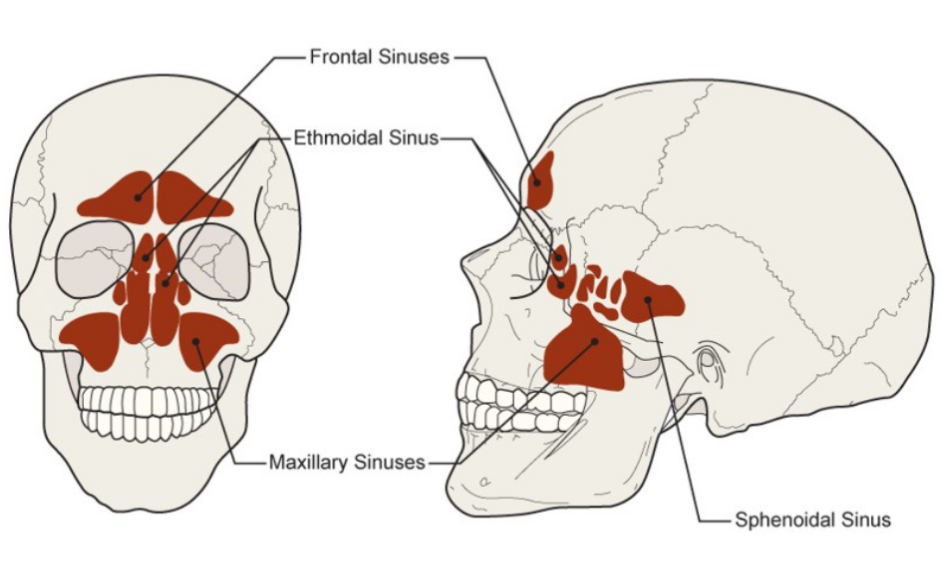
Sinuses
Sinuses are air-filled cavities—typically six or seven in number—embedded within the bony structure of the skull. Their primary function is to reduce the weight of the skull. They also contribute to vocal resonance, which becomes apparent when someone experiences a severe cold or catarrh.
These cavities are lined with mucous membranes similar to those found in the nose. They connect to the back of the nose and throat via narrow canals, allowing for pressure equalization. Normally, air flows freely between the sinuses and the nasal passages. However, if these canals are blocked by mucus or swollen tissue, pressure cannot equalize. This results in air volume contraction under increasing pressure, causing headaches and possible damage to the sinus lining. Bulging and blistering may occur, and if the blisters rupture, blood can fill the cavities.
Although the release of blood may bring temporary relief, ascent during a dive causes the air to expand, potentially pushing the blood into the nasal or oral passages, leading to bleeding. Diving with a cold, catarrh, or throat infection should be strictly avoided to prevent sinus complications.
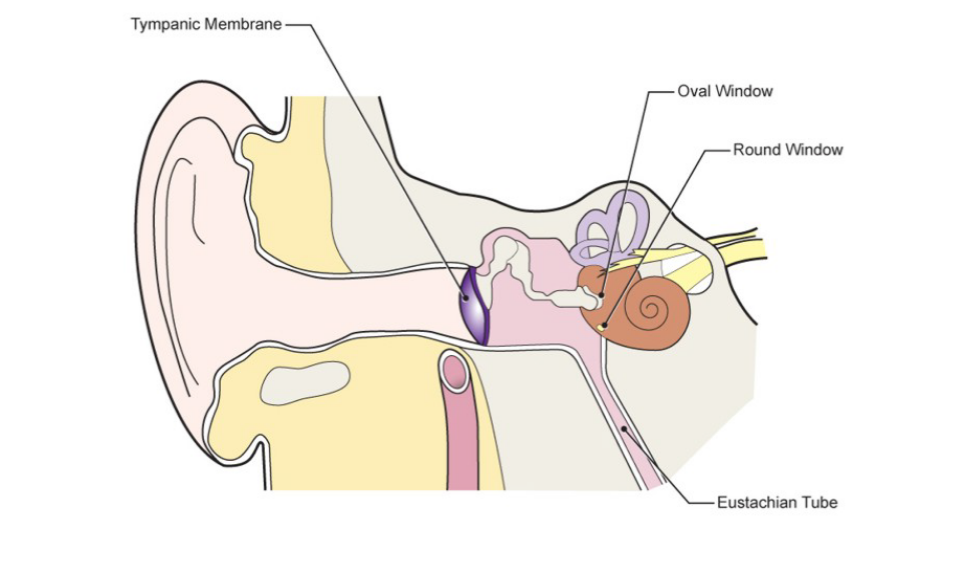
Ears
If the Eustachian tube becomes blocked by swelling or mucus, pressure imbalances between the inner and outer surfaces of the eardrum occur. The eardrum may bulge inward, causing sharp pain. Continued descent under these conditions can result in ruptured blood vessels and bleeding within the ear. Relief often comes only after the eardrum perforates.
While this condition is typically caused by colds or catarrh, it may also result from delayed ear equalization. In such cases, ascending a few feet may help relieve pressure and enable a safe descent. The associated pain is usually intense enough to stop most divers before serious damage occurs.
In emergency hyperbaric chamber pressurization, however, unconscious individuals may still suffer eardrum perforation—but they typically experience spontaneous pressure equalization as the ears clear themselves automatically.
Reversed Ears
This pressure-related issue may occur during both descent and ascent:
• On Descent:
If the Eustachian tube is clear but the outer ear is sealed—due to a hood, wax buildup, or an earplug—the pressure inside the external ear cannot equalize. The eardrum is held from the inside and unable to move outward. Pressure builds in the tissue fluids, sometimes forming blood blisters in the ear canal or on the eardrum. These may rupture, causing bleeding from the external ear.
• On Ascent:
A blocked Eustachian tube traps expanding gas in the middle ear as external pressure decreases. This creates a positive pressure imbalance, which may cause dizziness and discomfort.
Lungs
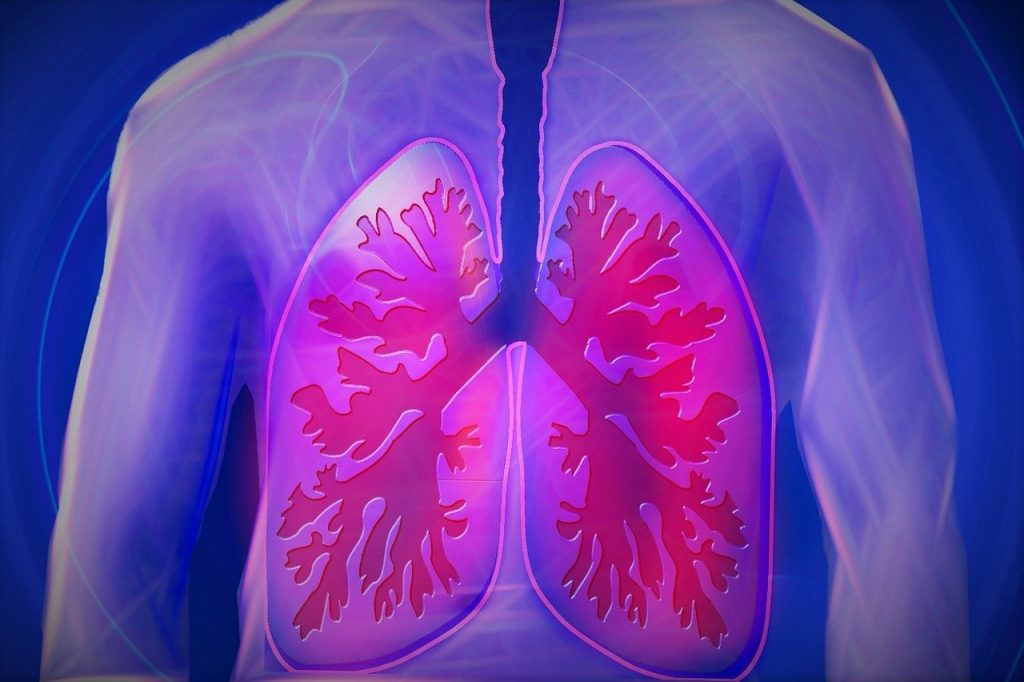
Lung function is essential to diving safety. The average adult lung capacity is around 6 liters, with a residual volume of about 1.5 liters—air that remains after maximum exhalation. The usable portion, or vital capacity, is the difference between total and residual volume.
Lung Squeeze
During descent, increased ambient pressure compresses lung air volume. At depths of ~30 meters, air compresses to the residual capacity. Beyond this point, the chest can’t contract further. Continued pressure forces fluid and tissue into lung spaces to equalize, which in extreme cases may crack ribs or cause the chest to collapse—known as lung squeeze.
This is preventable when breathing gas is supplied at the same pressure as the surrounding water. Lung squeeze typically occurs if a diver falls suddenly on surface supply and the gas pressure isn’t adjusted in time.
Pulmonary Barotrauma (Burst Lung)
On ascent, decreasing pressure causes gas in the lungs to expand. If the diver doesn’t exhale, this expansion can rupture the alveoli with as little as 0.3 bar of excess pressure. To prevent this, divers must exhale continuously during a free ascent or breathe normally using equipment.
Symptoms of alveoli rupture include:
- Chest pain behind the breastbone (usually within 10 minutes of surfacing)
- Difficulty breathing
- Bloody froth at the mouth
- A feeling of overstretched lungs
Arterial Gas Embolism
On ascent, decreasing pressure causes gas in the lungs to expand. If the diver doesn’t exhale, this expansion can rupture the alveoli with as little as 0.3 bar of excess pressure. To prevent this, divers must exhale continuously during a free ascent or breathe normally using equipment.
Symptoms of alveoli rupture include:
- Chest pain behind the breastbone (usually within 10 minutes of surfacing)
- Difficulty breathing
- Bloody froth at the mouth
- A feeling of overstretched lungs
If gas enters the pulmonary veins, it may travel to the heart and block blood supply to vital organs like the brain. This can result in:
- Sudden unconsciousness
- Convulsions
- Limb weakness or tingling
- Visual, auditory, and balance disturbances
- Death in severe cases
Immediate recompression in a hyperbaric chamber is crucial to relieve the blockage and restore circulation.

Facemask Squeeze
Facemask squeeze occurs during rapid descent without proper gas equalization in the mask. As the external pressure increases, the mask’s internal volume contracts, creating a partial vacuum. This vacuum causes the soft tissue of the face to get pulled inward, resulting in:
- Swelling of the face
- Hemorrhages under the skin
- Bloodshot eyes
To prevent this, divers must exhale gently into the mask during descent, allowing pressure to equalize.
Conclusion:
While the underwater world offers breathtaking beauty and adventure, it also demands respect for the body’s limits and the physics of pressure. From sinus and ear barotrauma to lung injuries and facemask squeeze, even minor imbalances can escalate into serious health issues if not properly managed. Understanding how pressure affects the sinuses, ears, lungs, and facial tissues—and knowing how to prevent or address these effects—is essential for every diver, whether novice or experienced.
Remember: never dive when congested, always equalize gently and frequently, and prioritize breathing techniques during both descent and ascent. Your health is your most important piece of dive gear. With proper awareness and precautions, you can explore the depths safely and confidently.
Want to elevate it with a strong call-to-action like “Join our dive safety course” or “Subscribe for more underwater wellness tips”? I’d be happy to help finesse that next.
Frequently Asked Questions (FAQ)?
1. What is barotrauma in scuba diving?
Barotrauma refers to injuries caused by pressure changes during diving. It commonly affects the ears, sinuses, lungs, and facial tissues. Symptoms can range from mild discomfort to serious conditions like alveolar rupture or arterial gas embolism.
2. How do I prevent sinus barotrauma underwater?
Avoid diving with a cold, congestion, or catarrh. Equalize pressure regularly during descent by breathing slowly and gently through the nose. If you feel sinus pain or pressure, ascend slightly and try equalizing again.
3. What causes ear pain during a dive?
Ear pain usually results from blocked Eustachian tubes that prevent pressure equalization. It can be caused by mucus, swelling, or delayed clearing. If pain occurs, stop descending and try gentle equalization techniques like swallowing or the Valsalva maneuver.
4. What is a lung squeeze in diving?
Lung squeeze occurs when the volume of air in the lungs compresses beyond residual capacity due to increased depth. It can cause fluid or tissue to be forced into the lungs, and in extreme cases, the chest may collapse.
5. How can I avoid pulmonary barotrauma?
Always exhale during ascent, especially when diving without breathing apparatus. Never hold your breath—expanding air must be released to avoid rupturing the alveoli and causing lung injuries.
6. What are the symptoms of an arterial gas embolism?
Signs include unconsciousness, convulsions, tingling or weakness in limbs, and disturbances in vision, hearing, or balance. Immediate treatment in a hyperbaric chamber is critical.
7. Why does my facemask cause bruising or swelling? Facemask squeeze happens during descent when the mask’s internal air isn’t equalized. The resulting vacuum causes facial tissue to press against the rigid mask walls. Prevent this by gently exhaling into your mask as you descend.

